


What Is a Country’s Identity? (Definition)
A country’s identity is the shared sense of belonging among its people. It is shaped by:
- Culture and traditions
- History and collective memory
- Language and values
- Geography and national symbols
- Governance and global reputation
National identity answers three core questions:
- Who are we as a people?
- Where did we come from?
- What future are we building together?
Quick Summary
A country’s identity is formed by its culture, people, history, land, values, and global influence. Ghana’s identity stands out through hospitality, cultural diversity, peaceful democracy, heritage tourism, and leadership in Africa’s independence story.
Culture and Traditions
Culture is the foundation of national identity.
Key Cultural Elements
- Language: Twi, Ga, Ewe, Dagbani, and others preserve ancestral knowledge
- Dress: Kente cloth and Adinkra symbols communicate history and philosophy
- Music & Dance: Drumming, Highlife, Afrobeats express emotion and storytelling
- Festivals: Homowo, Akwasidae, Aboakyir reinforce community and continuity
📎 Cluster articles to link here:
- Top Cultural Festivals in Ghana
- Meaning of Adinkra Symbols
- Traditional Clothing in Ghana
People, Values, and Social Identity
A nation’s identity lives in its people.
Core Ghanaian Values
- Hospitality (“Akwaaba”)
- Respect for elders
- Community and family unity
- Faith, resilience, and peace
Despite over 100 ethnic groups, Ghana’s identity is anchored in unity in diversity, making it one of Africa’s most stable societies.
📎 Cluster content ideas:
- Ghanaian Hospitality Explained
- Ethnic Groups in Ghana
- Social Values in African Societies
Geography, Land, and Natural Identity
Land shapes lifestyle, food, architecture, and worldview.
Ghana’s Geographic Identity
- Coastal heritage (castles, fishing communities)
- Forest belts (cocoa, gold, Ashanti culture)
- Savannah regions (trade routes, resilience)
National Symbols
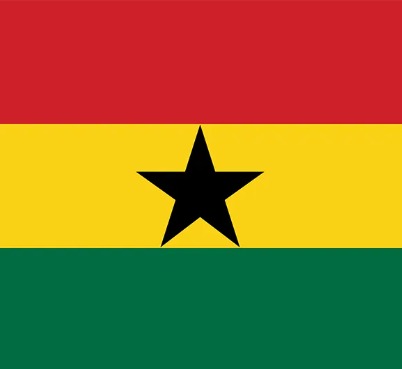
- Black Star: African freedom and unity
- Flag colors: Struggle, prosperity, growth
- Motto: Freedom and Justice
📎 Cluster links:
- Major Natural Regions of Ghana
- Meaning of Ghana’s National Symbols
History and Collective Memory
History gives identity depth and pride.
Ghana’s Historical Identity
- Powerful pre-colonial kingdoms (Ashanti Empire)
- Colonial resistance and struggle
- Independence in 1957 under Dr. Kwame Nkrumah
- Leadership in Pan-Africanism
Ghana’s independence made it a symbol of hope for Africa, shaping its global image to this day.
📎 Cluster links:
- History of Ghana’s Independence
- Dr. Kwame Nkrumah’s Legacy
Governance, Democracy, and Modern Identity
Modern national identity is shaped by institutions.
Ghana’s commitment to:
- Democracy
- Rule of law
- Peaceful elections
- Freedom of speech
has strengthened its identity as a trusted African democracy.
📎 Cluster links:
- Democracy in Ghana
- Governance and National Identity
Tourism, Culture, and Global Image
A country’s identity is also how the world experiences it.
Ghana’s Tourism Identity
- Cape Coast & Elmina Castles
- Kakum National Park
- Kwame Nkrumah Mausoleum
- Year of Return & heritage tourism
Music, fashion, cuisine, and diaspora communities amplify Ghana’s identity globally.
📎 Cluster links:
- Cultural Tourism in Ghana
- Top Tourist Attractions in Ghana
- Year of Return Explained
Why National Identity Matters Today
For Travelers
- Deeper cultural connection
- Respectful and meaningful travel
- Authentic experiences
For Students & Educators
- Cultural literacy
- Global citizenship
- Historical understanding
For Nations
- Unity and pride
- International reputation
- Sustainable development
The Future of Ghana’s Identity
Ghana’s identity is evolving through:
- Youth innovation
- Digital creativity
- Regenerative & eco-tourism
- Cultural preservation
The future lies in balancing heritage and progress.
📎 Cluster links:
- Regenerative Tourism in Africa
- Youth and National Development in Ghana
Frequently Asked Questions (FAQ)
What makes a country’s identity?
Culture, people, history, land, values, symbols, and shared experiences.
Why is Ghana’s national identity strong?
Because of its cultural diversity, peaceful democracy, hospitality, and historical leadership in Africa.
How does national identity affect tourism?
It shapes branding, traveler experience, and cultural respect.
Why is Ghana called the Gateway to Africa?
It was the first sub-Saharan African country to gain independence and remains central to Pan-African heritage tourism.
Ghana as a Living Example of National Identity
A country’s identity is not static. It is a living story. Ghana shows how culture, people, history, and vision can come together to form a strong, respected national identity.
The Black Star continues to shine not only for Ghanaians, but for all who believe in unity, freedom, and shared humanity.
Explore Ghana beyond the guidebooks.
Discover cultural tours, heritage travel, festivals, and meaningful African experiences with Miafrica where identity meets journey.





0 Comments