

Quick answer: Yes. Governments in the EU, UK, Japan and Canada now advise households to prepare for 72 hours of disruption. Travelers can do the same on a smaller scale: carry some cash, a charged power bank, offline maps and copies of key documents, and buy travel insurance. Last updated November 17, 2026.
If you’ve scrolled through the news lately, you may have noticed governments telling their citizens to keep emergency supplies at home. Headlines have been dramatic, and social media has made things louder still. As a travel company, we get one question a lot: should this change how I travel?
Short answer: no need to panic, but a little preparation goes a long way. Here’s what’s actually happening, and how to turn it into simple, practical travel habits.
Why are governments recommending a 72-hour emergency kit?
The European Union’s Preparedness Union Strategy, adopted in March 2025, encourages people to be able to cope on their own for at least 72 hours in an emergency. In the UK, the government launched an updated “Be Ready” campaign on October 22, 2026, a three-year effort encouraging households to prepare for three days of disruption with basics like bottled water and non-perishable food.
This isn’t just a European trend. Japan, Canada, Mexico and the Netherlands also advise 72-hour emergency kits, and countries such as Germany and the Scandinavian nations recommend even larger reserves.
The reasons given are fairly ordinary: floods, fires, storms, power cuts, cyberattacks on infrastructure, and security concerns linked to the war in Ukraine. Emergency agencies have given this kind of advice for decades. It’s just getting more attention now.
Key facts at a glance
- European Union: the Preparedness Union Strategy (March 2025) encourages people to cope on their own for at least 72 hours.
- United Kingdom: the updated “Be Ready” campaign launched on October 22, 2026 and runs for three years. Guidance suggests at least 3 litres of drinking water per person per day.
- Other countries: Japan, Canada, Mexico and the Netherlands advise 72-hour kits. Germany and the Scandinavian countries recommend larger reserves.
- Reasons cited: war, cyberattacks, climate change, disease, and attacks on power grids and communications.
A word on the scary rumors
You may have also seen viral claims about a coordinated global internet and banking shutdown, with a “reset” to digital currency. Fact-checkers have repeatedly found no evidence for these claims, and the dates attached to them keep changing because they pass without incident. Official preparedness advice is about surviving disruptions, not planning them. Telling people to keep cash on hand, for example, doesn’t fit a story about a cashless takeover.
The real-world risks for travelers are simpler: a local power cut, a storm, a cyber outage at an airline or bank, or a flight cancellation.
Why this matters more when you’re traveling
At home, you have your cupboard and your own bed. On the road, you’re relying on hotels, airports, cards, apps and networks you don’t control. A few hours without power or connectivity can be an inconvenience at home and a real headache in an unfamiliar city. If Ghana is your destination, our Ghana travel guide offers additional planning context.
The good news is that traveler-sized preparation is light, cheap and easy to pack.
What should be in a travel emergency kit? Our 5-point checklist
Money
- Carry some cash in local currency, plus a small backup in a widely accepted currency such as US dollars or euros.
- Bring more than one payment card, and keep them in separate places.
- Tell your bank you’re traveling, and save its international contact number offline.
Power and connectivity
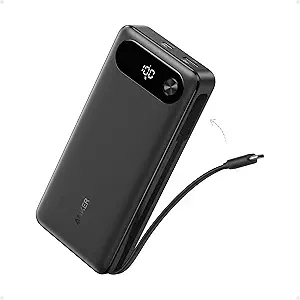
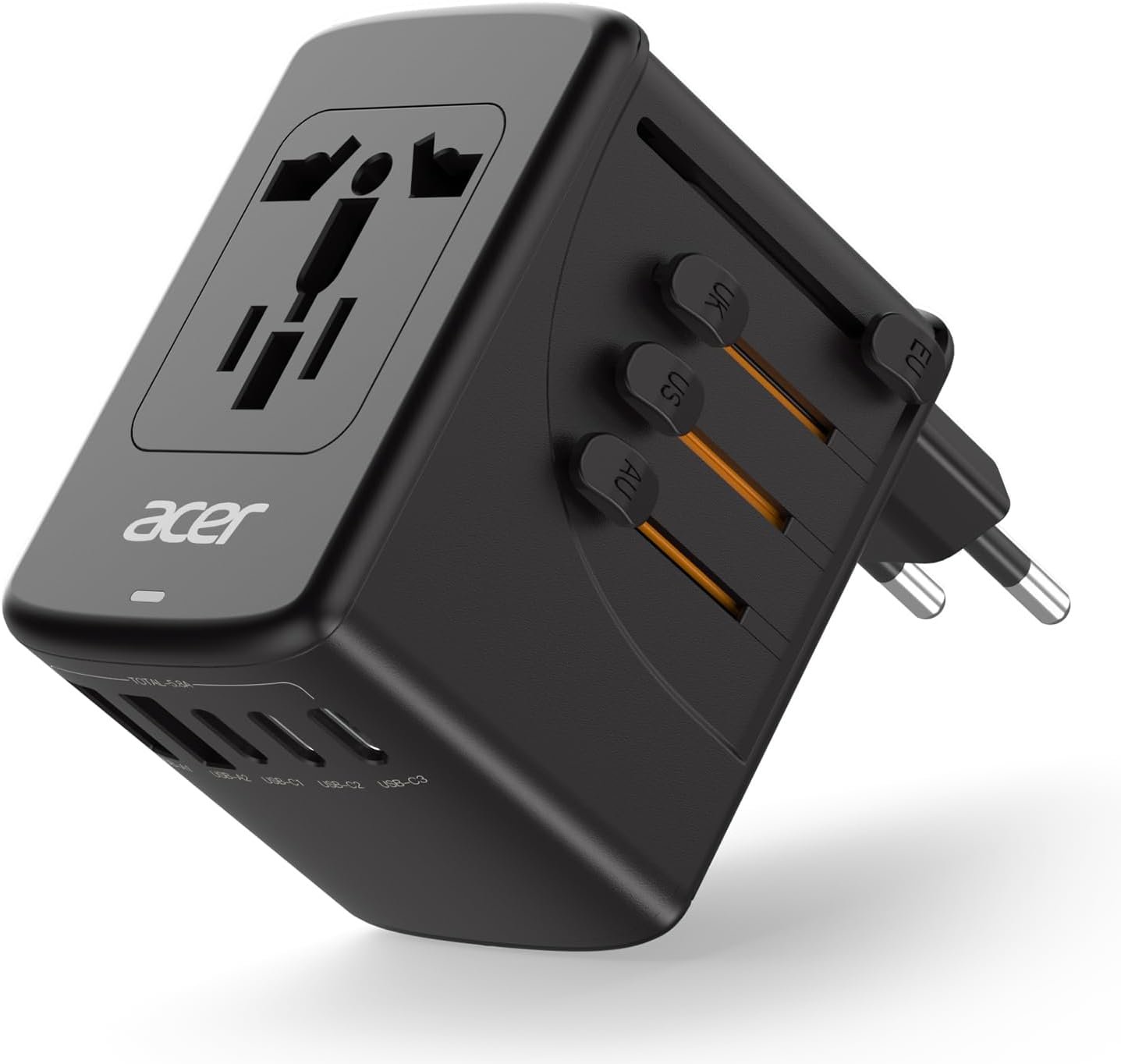
- Pack a fully charged power bank and the right cables and adapters. See Miafrica’s guide to essential travel gadgets for more packing ideas.
- Download offline maps of your destination before you leave.
- Save your bookings, tickets and addresses offline too, not only in an app.
Documents
- Keep paper copies of your passport, visas, insurance policy and key bookings, separate from the originals. If you’re visiting Africa, read our health tips for first-time visitors before departure.
- Store encrypted digital copies somewhere you can reach from any device.
- Write down emergency contacts, including your embassy or consulate.
Health and basics
- Carry a small first-aid kit and any prescription medication, with a little extra in case of delays.
- Bring a reusable water bottle, and keep a bottle of water and a few snacks in your day bag.
- A small torch or phone light is handy during a power cut.
Information and cover
- Check your government’s official foreign travel advice for your destination before booking and again before departure. For Ghana-specific information, see Miafrica’s guide: Is it safe to travel to Ghana?
- Register with your embassy’s traveler program if your country offers one.
- Buy travel insurance that covers cancellations, delays and medical care, and read what it excludes. Start with Miafrica’s guide to travel insurance and how it protects your trip.
What should you do if something goes wrong while traveling?
- Stay calm and stay put if it’s safe. Most disruptions pass within hours.
- Contact your hotel or tour operator. We know the local situation, and we’ll help rebook or reroute.
- Follow local authorities and official advice, not social media rumors.
- Tell someone at home where you are and how you plan to get updates.
The bottom line
Preparedness isn’t about expecting the worst. It’s about not being caught off guard by ordinary problems. A little cash, a charged battery, some offline copies and a good insurance policy will cover you against most of what actually goes wrong on trips.
The world is still very much open for exploring, and we’d love to help you do it with confidence.
Frequently asked questions
Do I need a 72-hour emergency kit when I travel?
You don’t need a full home kit, but a compact version is worthwhile. Carry some local cash, a charged power bank, offline maps, copies of your documents, basic medication, and water and snacks in your day bag. Add travel insurance that covers delays and medical care.
Is a global internet and banking shutdown planned?
No evidence supports this. Fact-checkers have repeatedly rejected viral claims of a coordinated global shutdown and “digital currency reset,” and the dates attached to them keep changing. Official preparedness advice is about coping with disruptions such as storms, power cuts and cyberattacks.
How much cash should I carry when traveling abroad?
Carry enough local currency for a day or two of essentials such as food and transport, and keep a small backup in a widely accepted currency. The right amount depends on your destination and how widely cards are accepted there. Store cash and cards in separate places.
How much water should I carry?
UK government guidance for households suggests at least 3 litres of drinking water per person per day. When traveling, carry a reusable bottle, keep water in your day bag, and know where to buy more near your accommodation.
What should I do first if power or internet goes down on a trip?
Stay calm and stay put if it is safe. Contact your hotel or tour operator, use offline maps and saved bookings, tell someone at home your plan, and follow local authorities for updates rather than social media rumors.
Ready to plan your next adventure? contact the Miafrica team to build an itinerary with flexibility and peace of mind built in.



0 Comments